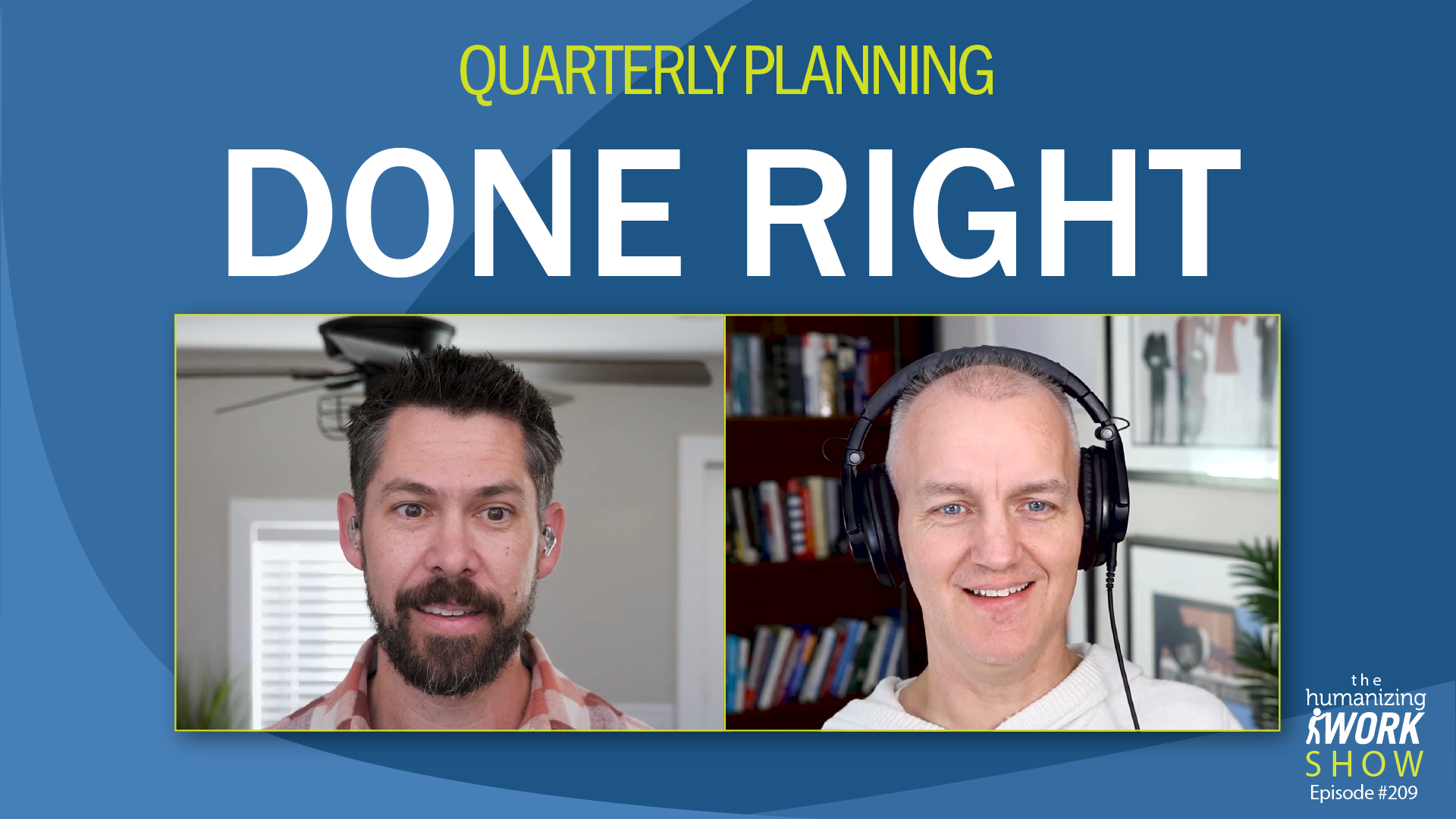
Quarterly planning doesn’t fail because teams lack discipline or effort. It fails because most planning processes assume a level of predictability that complex work simply doesn’t have. In this episode, Peter Green and Richard Lawrence share a better way—one built on shared understanding, meaningful goals, and a sustainable rhythm for learning and delivery. Read More
When frustration with a leader reached a boiling point, Peter considered escalation, confrontation, and even walking away. A simple, unexpected act of connection changed everything. This episode explores why that shift worked and how a small move toward curiosity can ease the tension we create in our own minds. Read More

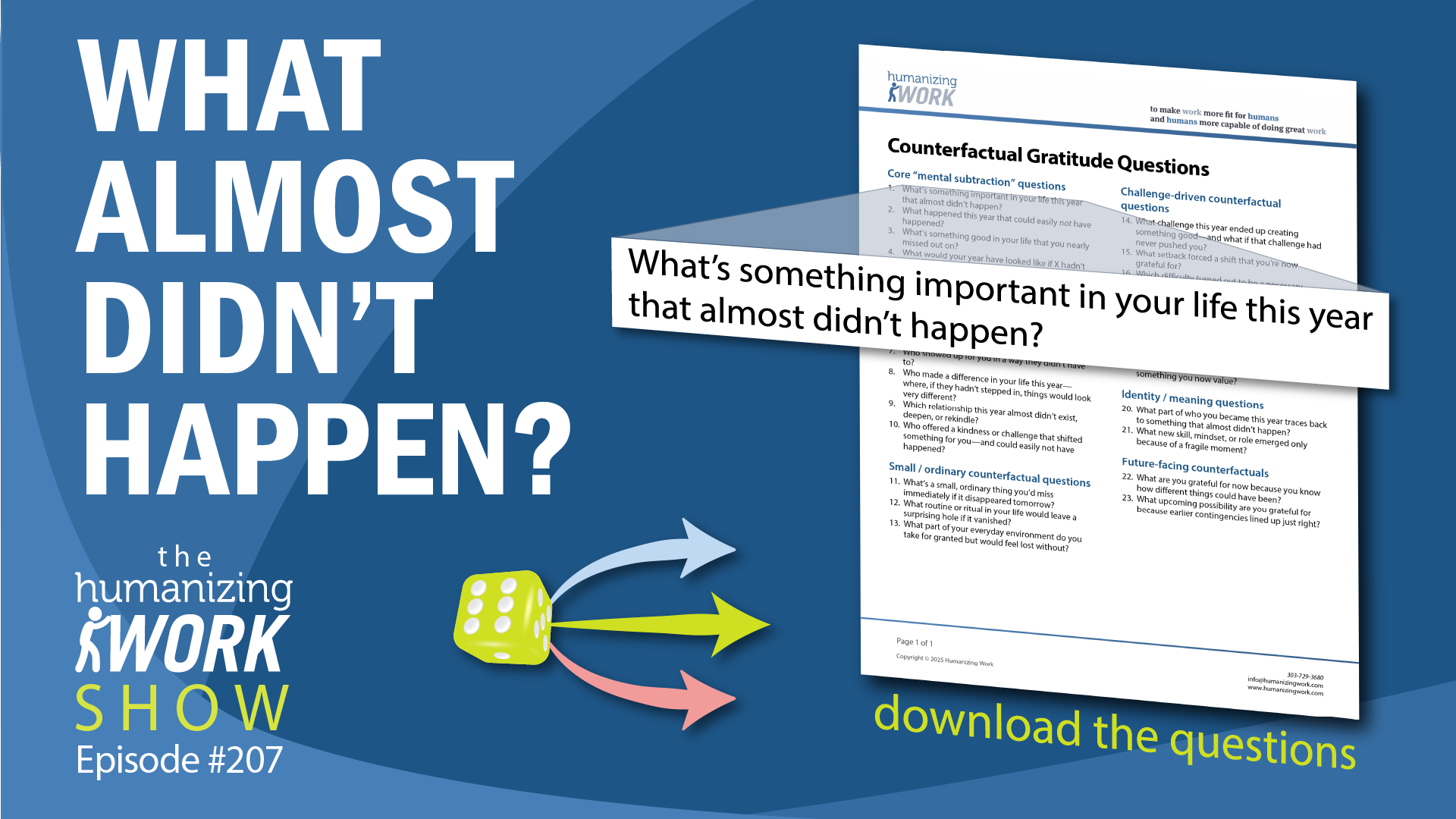
Peter and Richard explore a deeper way to practice gratitude using counterfactual questions that reveal the good things in life that almost didn’t happen. They share personal stories, surprising near misses, and moments of support that shaped their year, along with a free downloadable guide of 23 questions you can use yourself. Read More
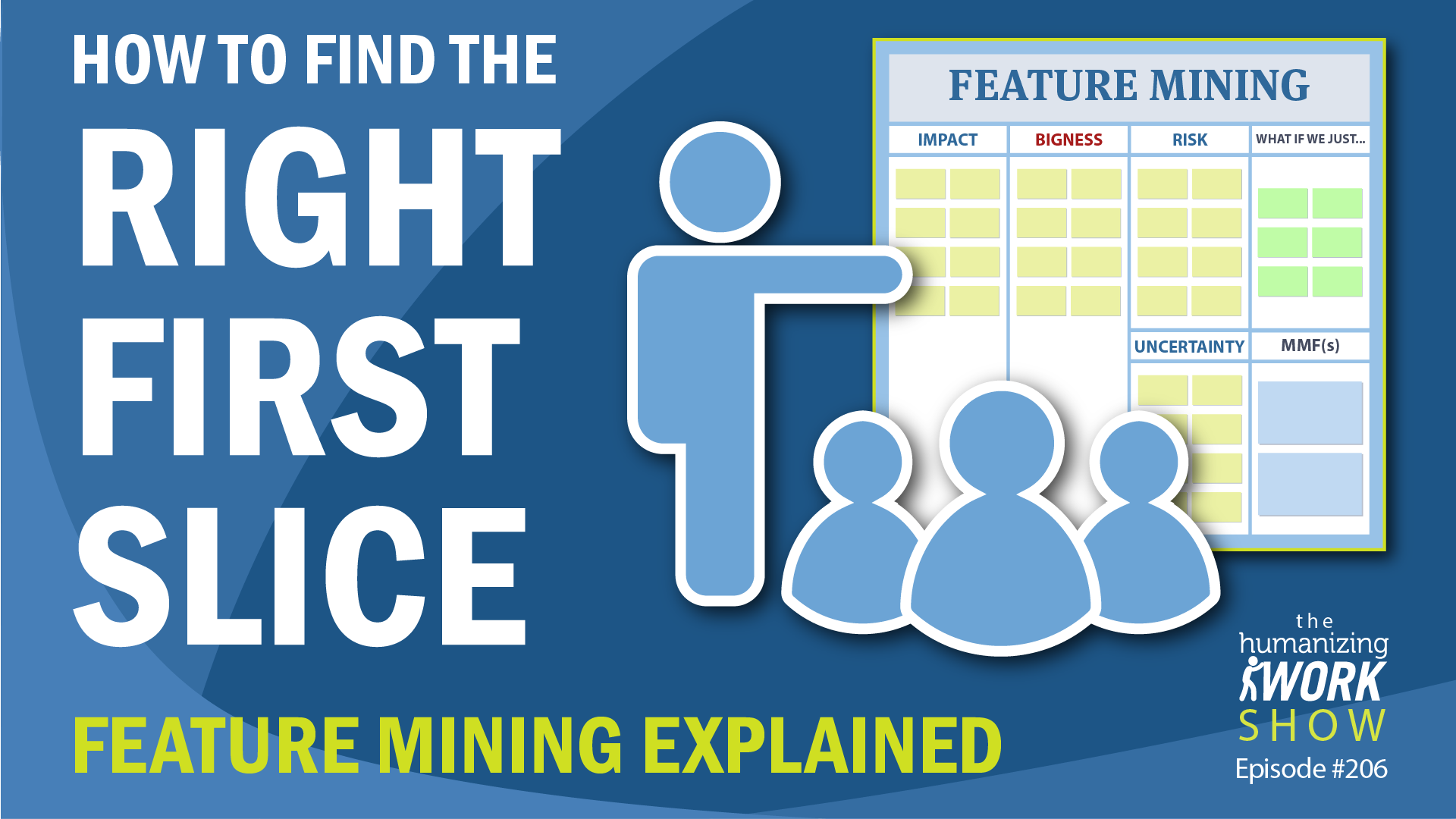
Richard and Peter share how Feature Mining emerged, how it works, and why it helps teams avoid months of waste by finding a smaller, smarter first slice of a big idea. Read More
Many teams depend on others to get work done, slowing down feedback, learning, and flow. This episode shares three ways to reduce the pain of cross-team dependencies—even if you can’t change the org structure. Read More

A Product Backlog should provide focus and transparency, but most are overcrowded collections of items, where stakeholder's dreams go to die. Learn how to release the weight of old commitments, sort work into Active / Archive / Someday-Maybe, and when to declare Backlog Bankruptcy so every item earns its place. Read More

Five practical, research-backed ways to say no without being a jerk. Use purpose and goals as filters, protect flow, clarify decision rights, and practice stewardship language that keeps trust high while guarding capacity. Read More

To celebrate 200 episodes of The Humanizing Work Show, we’re revisiting one of our most practical and popular episodes: two facilitation moves that turn retrospectives from repetitive to transformative. Learn how ORID and a simple experiment mindset can reignite learning and improvement in every sprint. Read More

What's the big difference between Scrum and Kanban? When is each the best fit for a team's work? We share our experience on how to choose among them, along with four different ways to combine them effectively. Read More

When leaders ask for more data and reports, it’s often a signal of low trust. The problem is, more data doesn’t build it. In this episode, we show what actually earns trust and how your team can escape the status report trap. Read More