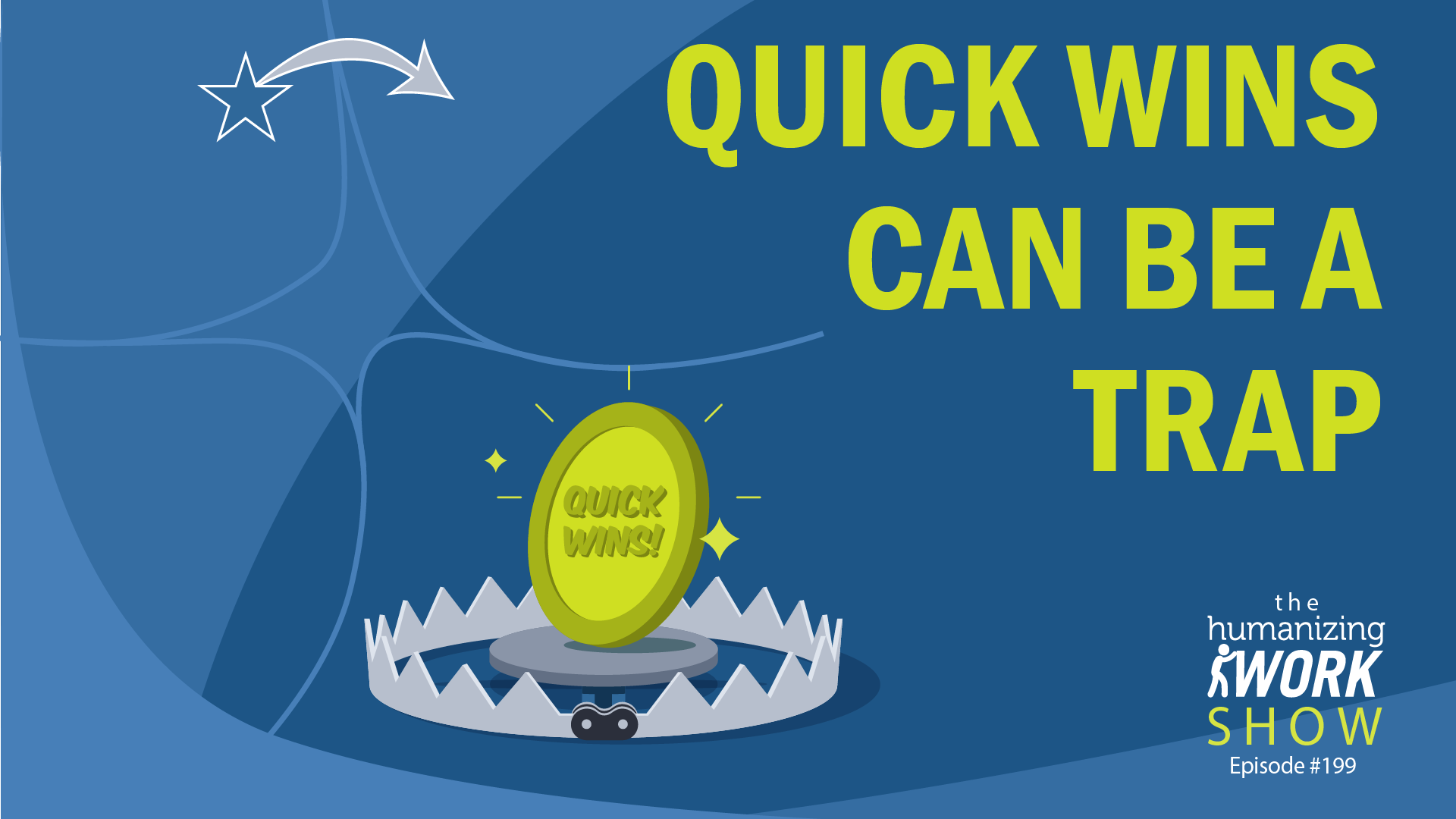
CAPED teaches leaders to go complexity first, but teams often resist. Richard and Peter explain the quick win trap and show how to make early learning safe and motivating. Read More
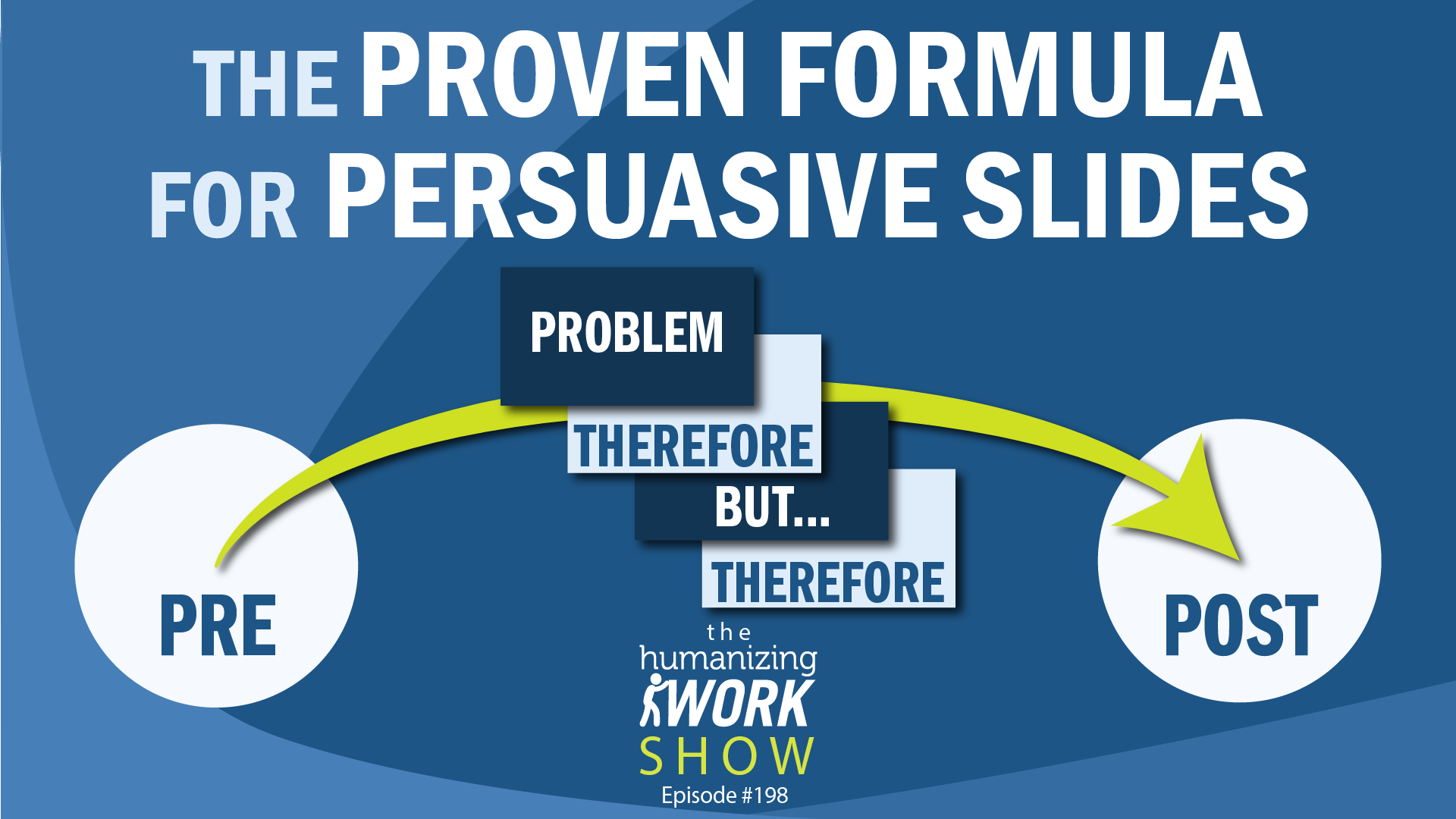
Most presentations to leaders don’t lead to real decisions. In this episode, we share a proven approach to preparing, structuring, and following up on presentations so leaders say yes. Learn how to use the “Therefore / But” pattern and other practical tools to turn presentations into results. Read More
Vibe coding prototypes can feel magical. With just a few prompts, you’ve got a working app. But as Peter’s experiment vibe coding an app shows, the biggest risk isn’t the code itself — it’s skipping the critical work of testing assumptions and validating whether the product actually solves a problem. Read More

Story points are everywhere in agile teams, but most groups use them in ways that create waste and frustration. In this episode, Peter and Richard explain how story points should work as a form of Reference Class Forecasting, why so many teams get them wrong, and the simple shift that makes estimation accurate and useful again. Read More

Estimating feels responsible, but research shows it’s wrong in systematic, predictable ways. Forecasting with past outcomes—and applying it within our CAPED framework—gives leaders and teams a more reliable path. Read More

Feedback and debate make decisions better—until they spiral into unhelpful argument. In this episode, Peter and Richard share three strategies to prevent feedback from tipping too far and how to recover fast when it does. Read More

What separates “good enough” from “great” isn’t just experience — it’s deliberate practice. In this episode, we share research-backed strategies for improving your product, your team, and yourself through feedback, focus, and iteration. Read More

PI Planning promises alignment, but often creates rigidity. In this episode, we revisit its roots in Toyota’s obeya process and explain how CAPED's four-phase framework for planning and delivery works with complexity instead of pretending it away. Read More

Many organizations chase engagement with flashy perks and high energy—but what if calm and supportive is actually the key to sustainable, meaningful work? In this episode, we explore how calm cultures unlock focus, flow, and intrinsic motivation. You’ll learn what gets in the way, how leaders unintentionally sabotage these efforts, and what it really takes to create a culture where people can do their best work—without burning out. Read More

Have your found that your retrospectives don't seem to be cutting it anymore? We'll share the key symptoms you might need something bigger—declining productivity, unclear direction, weakening connection—and how to successfully reset your team. Read More